Back to List
Non-Profit
Creating family wellness programming for underprivileged families
Client
Major non-profit organization in the US
Goal
Understand why low-income families are attending health and wellness programming at such low rates, and create solutions to better engage and retain these families.
Approach
Immersive Research
Contextual Inquiry
The TC team conducted in-home interviews with low-income families across Chicago to gather a contextual understanding of struggles and roadblocks to family wellness. By talking with these families in their homes and struggling neighborhoods, they were better able to explain their obstacles to family wellness, and what that look like for them on a day to day.
Past Member Interviews
In addition to gaining broad insights on why it can be difficult for low income families to manage involvement in the programs, we also wanted to understand the reasons why a family might leave the program.
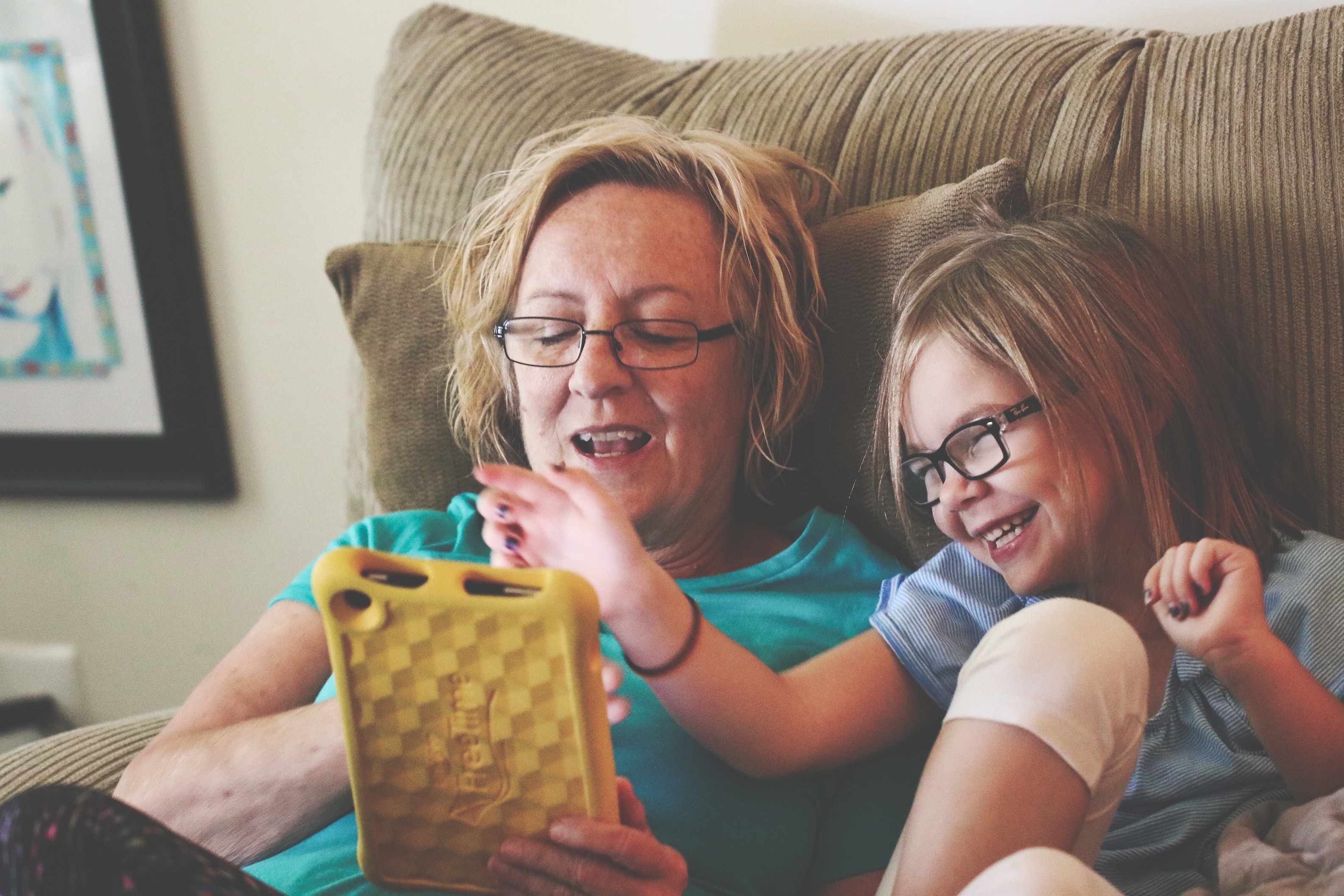
Low-income families experience a complex system of obstacles, from limited access to fresh food to transportation obstacles to job-related time constraints, all of which made program participation extremely difficult, and often impossible.
How do we facilitate wellness behaviors that fit into a world with these unique obstacles?
Transforming Insights into Action Plans
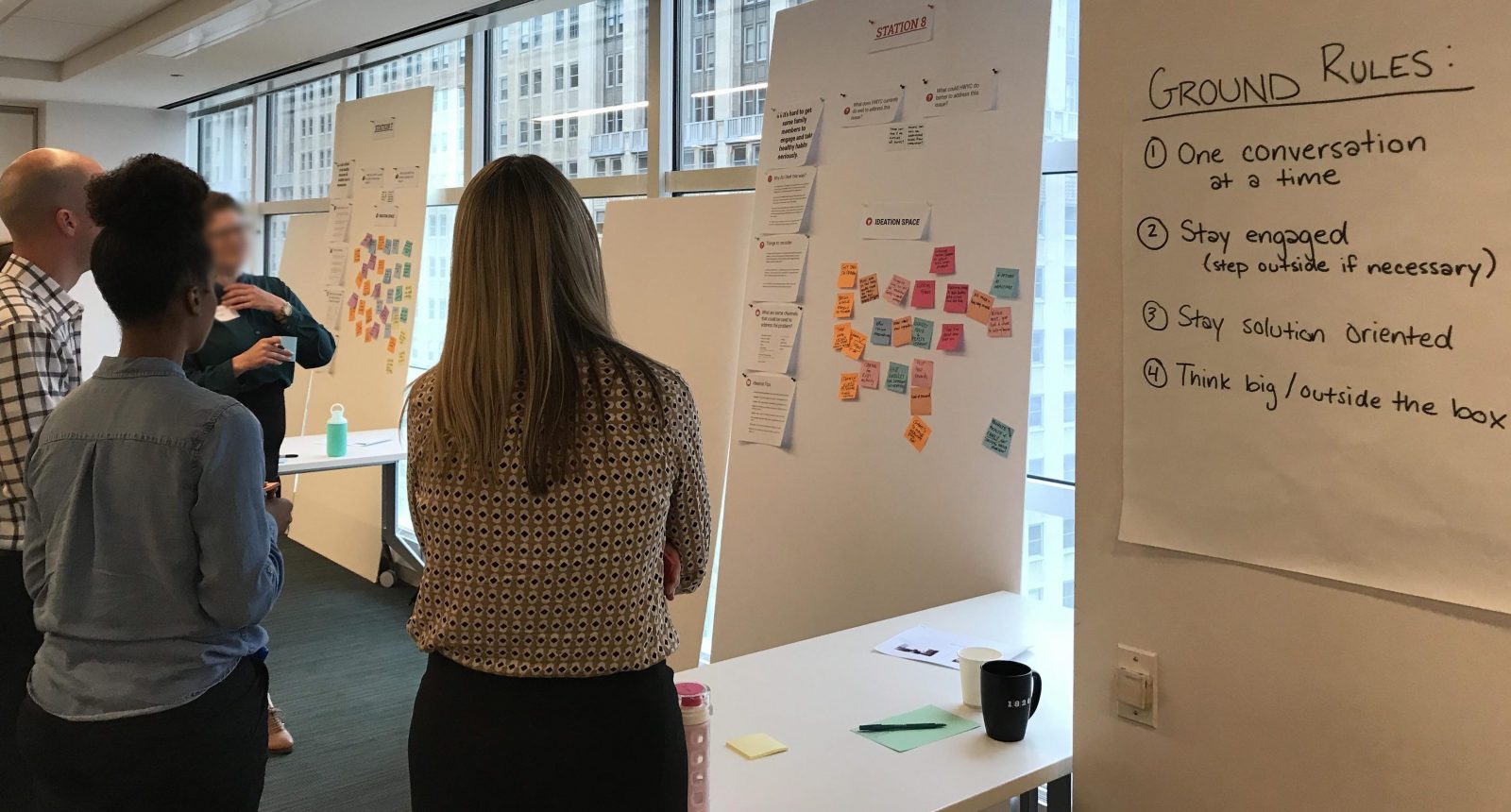
We teamed up with internal stakeholders and subject matter experts to host a multi-day insights immersion and program concept ideation workshop. Activities involved small group ideation around key emotional research themes, practical solution ideation, and creating full concepts for low-income focused programming.
Results
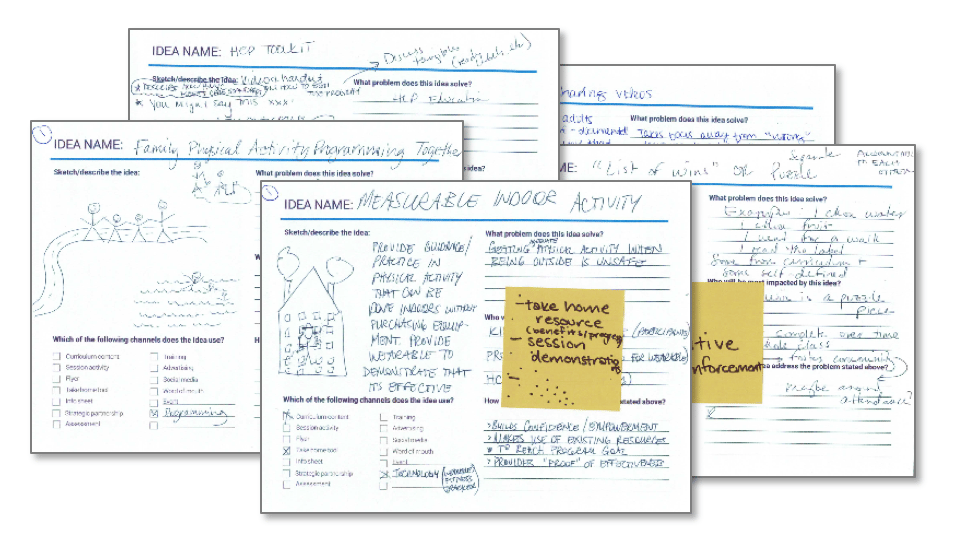
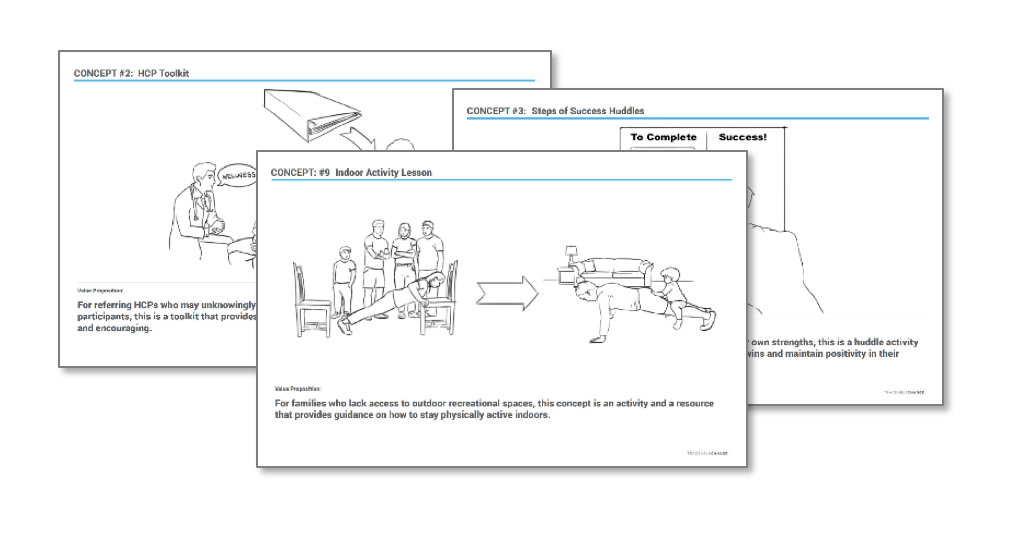
Our research and workshop resulted in a set of fully defined and prioritized data-driven concepts ready for testing and implementation in low-income communities.
The organization began their journey to effect change by testing and implementing program improvements that engage all families, regardless of their socioeconomic obstacles.

connect@traceablechange.com
©2025 Traceable Change, Inc.
Back to List
Non-Profit
Creating family wellness programming for underprivileged families
Client
Major non-profit organization in the US
Goal
Understand why low-income families are attending health and wellness programming at such low rates, and create solutions to better engage and retain these families.
Approach
Immersive Research
Contextual Inquiry
The TC team conducted in-home interviews with low-income families across Chicago to gather a contextual understanding of struggles and roadblocks to family wellness. By talking with these families in their homes and struggling neighborhoods, they were better able to explain their obstacles to family wellness, and what that look like for them on a day to day.
Past Member Interviews
In addition to gaining broad insights on why it can be difficult for low income families to manage involvement in the programs, we also wanted to understand the reasons why a family might leave the program.
Low-income families experience a complex system of obstacles, from limited access to fresh food to transportation obstacles to job-related time constraints, all of which made program participation extremely difficult, and often impossible.
How do we facilitate wellness behaviors that fit into a world with these unique obstacles?
Transforming Insights into Action Plans
We teamed up with internal stakeholders and subject matter experts to host a multi-day insights immersion and program concept ideation workshop. Activities involved small group ideation around key emotional research themes, practical solution ideation, and creating full concepts for low-income focused programming.
Results
Our research and workshop resulted in a set of fully defined and prioritized data-driven concepts ready for testing and implementation in low-income communities.
The organization began their journey to effect change by testing and implementing program improvements that engage all families, regardless of their socioeconomic obstacles.

connect@traceablechange.com
©2025 Traceable Change, Inc.
Back to List
Non-Profit
Creating family wellness programming for underprivileged families
Client
Major non-profit organization in the US
Goal
Understand why low-income families are attending health and wellness programming at such low rates, and create solutions to better engage and retain these families.
Approach
Immersive Research
Contextual Inquiry
The TC team conducted in-home interviews with low-income families across Chicago to gather a contextual understanding of struggles and roadblocks to family wellness. By talking with these families in their homes and struggling neighborhoods, they were better able to explain their obstacles to family wellness, and what that look like for them on a day to day.
Past Member Interviews
In addition to gaining broad insights on why it can be difficult for low income families to manage involvement in the programs, we also wanted to understand the reasons why a family might leave the program.
Low-income families experience a complex system of obstacles, from limited access to fresh food to transportation obstacles to job-related time constraints, all of which made program participation extremely difficult, and often impossible.
How do we facilitate wellness behaviors that fit into a world with these unique obstacles?
Transforming Insights into Action Plans
We teamed up with internal stakeholders and subject matter experts to host a multi-day insights immersion and program concept ideation workshop. Activities involved small group ideation around key emotional research themes, practical solution ideation, and creating full concepts for low-income focused programming.
Results
Our research and workshop resulted in a set of fully defined and prioritized data-driven concepts ready for testing and implementation in low-income communities.
The organization began their journey to effect change by testing and implementing program improvements that engage all families, regardless of their socioeconomic obstacles.
connect@traceablechange.com
©2025 Traceable Change, Inc.
Back to List
Non-Profit
Creating family wellness programming for underprivileged families
Client
Major non-profit organization in the US
Goal
Understand why low-income families are attending health and wellness programming at such low rates, and create solutions to better engage and retain these families.
Approach
Immersive Research
Contextual Inquiry
The TC team conducted in-home interviews with low-income families across Chicago to gather a contextual understanding of struggles and roadblocks to family wellness. By talking with these families in their homes and struggling neighborhoods, they were better able to explain their obstacles to family wellness, and what that look like for them on a day to day.
Past Member Interviews
In addition to gaining broad insights on why it can be difficult for low income families to manage involvement in the programs, we also wanted to understand the reasons why a family might leave the program.
Low-income families experience a complex system of obstacles, from limited access to fresh food to transportation obstacles to job-related time constraints, all of which made program participation extremely difficult, and often impossible.
How do we facilitate wellness behaviors that fit into a world with these unique obstacles?
Transforming Insights into Action Plans
We teamed up with internal stakeholders and subject matter experts to host a multi-day insights immersion and program concept ideation workshop. Activities involved small group ideation around key emotional research themes, practical solution ideation, and creating full concepts for low-income focused programming.
Results
Our research and workshop resulted in a set of fully defined and prioritized data-driven concepts ready for testing and implementation in low-income communities.
The organization began their journey to effect change by testing and implementing program improvements that engage all families, regardless of their socioeconomic obstacles.
connect@traceablechange.com
©2025 Traceable Change, Inc.
Back to List
Non-Profit
Creating family wellness programming for underprivileged families
Client
Major non-profit organization in the US
Goal
Understand why low-income families are attending health and wellness programming at such low rates, and create solutions to better engage and retain these families.
Approach
Immersive Research
Contextual Inquiry
The TC team conducted in-home interviews with low-income families across Chicago to gather a contextual understanding of struggles and roadblocks to family wellness. By talking with these families in their homes and struggling neighborhoods, they were better able to explain their obstacles to family wellness, and what that look like for them on a day to day.
Past Member Interviews
In addition to gaining broad insights on why it can be difficult for low income families to manage involvement in the programs, we also wanted to understand the reasons why a family might leave the program.
Low-income families experience a complex system of obstacles, from limited access to fresh food to transportation obstacles to job-related time constraints, all of which made program participation extremely difficult, and often impossible.
How do we facilitate wellness behaviors that fit into a world with these unique obstacles?
Transforming Insights into Action Plans
We teamed up with internal stakeholders and subject matter experts to host a multi-day insights immersion and program concept ideation workshop. Activities involved small group ideation around key emotional research themes, practical solution ideation, and creating full concepts for low-income focused programming.
Results
Our research and workshop resulted in a set of fully defined and prioritized data-driven concepts ready for testing and implementation in low-income communities.
The organization began their journey to effect change by testing and implementing program improvements that engage all families, regardless of their socioeconomic obstacles.
connect@traceablechange.com
©2025 Traceable Change, Inc.
Back to List
Non-Profit
Creating family wellness programming for underprivileged families
Client
Major non-profit organization in the US
Goal
Understand why low-income families are attending health and wellness programming at such low rates, and create solutions to better engage and retain these families.
Approach
Immersive Research
Contextual Inquiry
The TC team conducted in-home interviews with low-income families across Chicago to gather a contextual understanding of struggles and roadblocks to family wellness. By talking with these families in their homes and struggling neighborhoods, they were better able to explain their obstacles to family wellness, and what that look like for them on a day to day.
Past Member Interviews
In addition to gaining broad insights on why it can be difficult for low income families to manage involvement in the programs, we also wanted to understand the reasons why a family might leave the program.
Low-income families experience a complex system of obstacles, from limited access to fresh food to transportation obstacles to job-related time constraints, all of which made program participation extremely difficult, and often impossible.
How do we facilitate wellness behaviors that fit into a world with these unique obstacles?
Transforming Insights into Action Plans
We teamed up with internal stakeholders and subject matter experts to host a multi-day insights immersion and program concept ideation workshop. Activities involved small group ideation around key emotional research themes, practical solution ideation, and creating full concepts for low-income focused programming.
Results
Our research and workshop resulted in a set of fully defined and prioritized data-driven concepts ready for testing and implementation in low-income communities.
The organization began their journey to effect change by testing and implementing program improvements that engage all families, regardless of their socioeconomic obstacles.
connect@traceablechange.com
©2025 Traceable Change, Inc.
Back to List
Non-Profit
Creating family wellness programming for underprivileged families
Client
Major non-profit organization in the US
Goal
Understand why low-income families are attending health and wellness programming at such low rates, and create solutions to better engage and retain these families.
Approach
Immersive Research
Contextual Inquiry
The TC team conducted in-home interviews with low-income families across Chicago to gather a contextual understanding of struggles and roadblocks to family wellness. By talking with these families in their homes and struggling neighborhoods, they were better able to explain their obstacles to family wellness, and what that look like for them on a day to day.
Past Member Interviews
In addition to gaining broad insights on why it can be difficult for low income families to manage involvement in the programs, we also wanted to understand the reasons why a family might leave the program.
Low-income families experience a complex system of obstacles, from limited access to fresh food to transportation obstacles to job-related time constraints, all of which made program participation extremely difficult, and often impossible.
How do we facilitate wellness behaviors that fit into a world with these unique obstacles?
Transforming Insights into Action Plans
We teamed up with internal stakeholders and subject matter experts to host a multi-day insights immersion and program concept ideation workshop. Activities involved small group ideation around key emotional research themes, practical solution ideation, and creating full concepts for low-income focused programming.
Results
Our research and workshop resulted in a set of fully defined and prioritized data-driven concepts ready for testing and implementation in low-income communities.
The organization began their journey to effect change by testing and implementing program improvements that engage all families, regardless of their socioeconomic obstacles.
connect@traceablechange.com
©2025 Traceable Change, Inc.